Early Orthodontic Intervention – Naperville, IL
Improve the Look, Function, and Health of Your Favorite Smile
Braces are well-known for delivering beautiful smiles. However, it’s important for parents to know that orthodontic treatment can positively impact other aspects of their child’s life, including their ability to chew effectively and speak clearly. That’s why the American Association of Orthodontists recommends bringing your little one in for an orthodontic evaluation by the time they are seven. At this point, Dr. Nicole, our dedicated Naperville orthodontist, can determine if early orthodontic intervention is needed (commonly referred to as “Phase 1 Orthodontics”). To learn more about this treatment, you can read on or schedule an appointment with our team!
Why Choose G&G Pediatric Dentistry and Orthodontics for Early Orthodontic Intervention?
- Dedicated Orthodontist That’s a Member of the American Board of Orthodontics
- Convenient Morning, Lunchtime, and After-School Hours
- Multiple Financial Solutions Available, Including Flexible Financing
What Is Early Orthodontic Intervention?
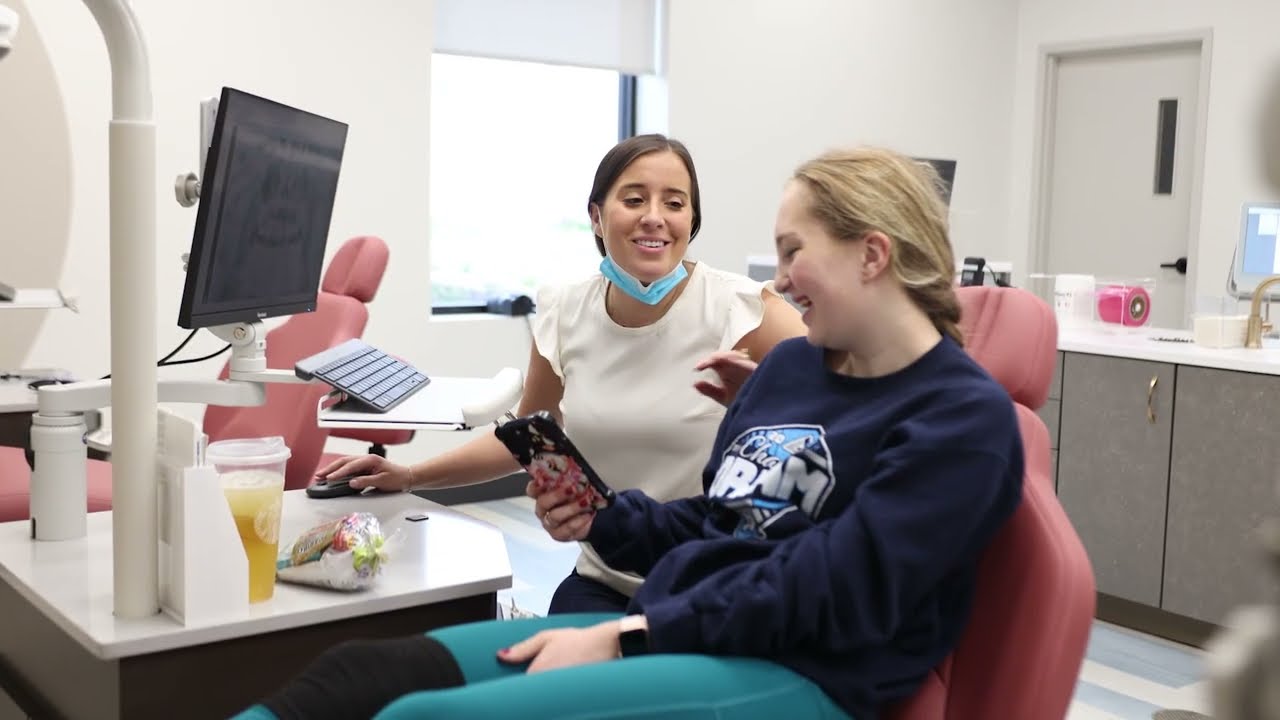
Simply put, early orthodontic intervention in Naperville refers to braces that are designed specifically for children who don’t have all of their adult teeth yet. That way, you don’t have to wait to address:
- Overlapping teeth
- Spaced out teeth
- Speech issues
- Thumb-sucking (and other habits that impact their dental development)
- Misaligned bites (i.e., overbites, crossbites, underbites)
Why Is Early Orthodontic Intervention Important?

Although there are numerous benefits of early orthodontic intervention, these are three noteworthy ones that parents should consider:
- Prevent orthodontic issues from developing – In short, misaligned baby teeth typically mean serious problems are on the horizon. With early orthodontic intervention, we can get ahead of uneven bites, improper jaw positioning, and other common problems that could’ve required more extensive treatments (like jaw surgery) down the line.
- Make future orthodontic treatment easier – If your child does need braces again in the future, their treatment will be significantly more manageable since their orthodontic issues won’t be as severe.
- Keep your child’s smile healthy and functional – As mentioned above, straightening your child’s teeth can have a positive impact on their ability to chew and speak. By keeping their smile healthy and functional, you can help keep their confidence high, their diet varied, and their speech clear!
What Happens After Early Orthodontic Intervention?

After early orthodontic intervention, we will need to monitor your child’s dental development as all of their permanent teeth emerge. If their teeth grow in straight and their bite is aligned, then Phase 2 may not be needed. If it is, don’t worry – it will be less intensive because of the work completed in Phase 1.
If you would like to learn more about early orthodontic intervention – from what to expect during the consultation to what common problems this treatment can correct – please don’t hesitate to get in touch with our team. We’re here to help your child achieve the healthy, happy, and beautiful smile they deserve!
Early Orthodontic Intervention FAQs
When does Phase 1 orthodontics take place?
As an orthodontist for kids in Naperville, we find that the best time for Phase 1 treatment is when a patient is 6 – 9 years of age.
During this period, kids tend to have a mixture of both primary (baby) teeth and permanent teeth. It is the ideal time to identify growth issues and guide proper development of the oral structures.
Because timing is so important for early orthodontic care, The American Association of Orthodontists recommends that kids undergo an orthodontic evaluation no later than their seventh birthday.
What appliances are used in Phase 1 orthodontics?
The appliances used in early orthodontic intervention vary from case to case. Some that are commonly used include:
- Palatal expanders, which help to create more space in the upper dental arch.
- Space maintainers, which prevent other teeth from drifting into the space left by baby teeth that fall out prematurely.
- Limited braces to correct relatively severe alignment issues.
- Herbst appliances to correct imbalances in the jaw
- Retainers to help patients maintain their results.
If you have questions about the specific appliances that we recommend for your child, you are welcome to ask!
Is Phase 1 orthodontics painful?
We strive to make the placement of orthodontic appliances as comfortable as possible. However, the goal of treatment is to place targeted pressure on the oral structures in order to promote proper development. As you might imagine, that pressure can cause some soreness, especially when an appliance is first installed or after it is adjusted.
Over-the-counter pain relievers, cold compresses, and a soft diet can help to mitigate discomfort. If your child complains of severe or ongoing pain, let our team know right away so we can provide assistance.
Does Phase 1 orthodontics affect diet and nutrition?
Different orthodontic devices have varying effects on diet and nutrition. For example, with a removable device, your child can continue to eat normally as long as they take their device out at mealtimes.
Fixed appliances require more care. You should not serve your child hard or tough foods that might damage their appliance or get stuck in it. Soft foods, like bread, dairy, and cooked vegetables are better choices. Ask our team for more detailed guidance on eating strategies with a fixed appliance.
What changes should my child make while wearing braces?
While wearing braces, your child should:
- Avoid hard, crunchy, and sticky foods.
- Stick to a thorough oral hygiene routine. Ideally, they should clean their teeth after each meal.
- Wear rubber bands or other accessories as directed by our team.
You may also wish to purchase a few items for your child, such as a travel kit for oral hygiene. Orthodontic wax can also be helpful because it can be used to reduce irritation on the soft oral tissues that may be caused by brackets and wires.