Invisalign Clear Aligners – Naperville, IL
Say Goodbye to a Crooked Smile
If you didn’t get braces when you were younger, you may think that you’ve missed the boat on straightening your teeth. However, that couldn’t be further from the truth! At Pediatric Dentistry & Orthodontics, we offer Invisalign in Naperville to help you achieve your best smile. The clear aligners are a more aesthetically pleasing option that’s perfect for young adults. Continue reading or give our office a call today to learn more about this modern orthodontic treatment! today to schedule your initial consultation for traditional braces in Naperville!
How Invisalign Works
Unlike traditional metal braces, Invisalign works by using a series of clear aligners to make gradual improvements to your smile. We’ll use impressions of your mouth to custom-make these plastic trays, with each one representing a different stage of your teeth as they’re slowly shifted toward the desired position. You’ll be instructed to wear each aligner for a predetermined amount of time, which is usually two weeks. In addition, you’ll have to visit our office regularly to ensure things are moving according to plan!
Who Can Invisalign Help?
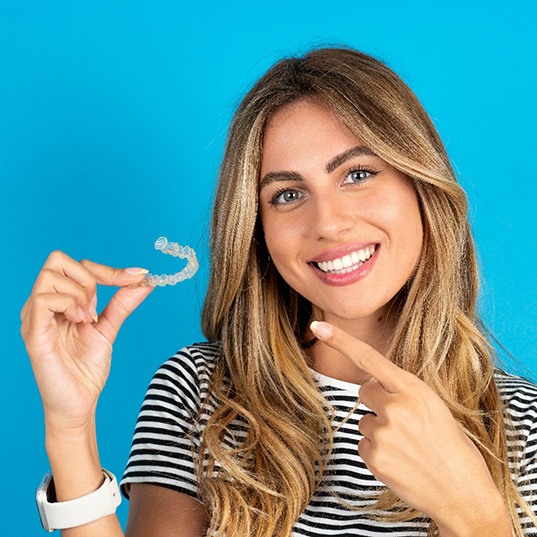
Invisalign continues to gain popularity as a clear alternative to traditional braces due to its unique advantages. Unlike metallic brackets and wires, the transparent trays are generally considered more comfortable and discreet.
However, that doesn’t necessarily mean this is the best method for meeting everyone’s individual needs. Continue reading to learn more about who might benefit from this service so you can make an informed decision about the future of your or your child’s smile!
Crowded Teeth

If your teeth overlap in areas, it can be much harder to brush and floss them thoroughly enough to prevent common oral issues. Unfortunately, this increases the likelihood that you’ll develop cavities, gum disease, or other concerns.
Shifting them to their ideal places with Invisalign can help you maintain beautiful, healthy teeth and gums.
Gaps Between Teeth

Some patients’ teeth grow farther apart than most, leaving a wider open space in their gums. Such gaps can trap bits of food or germs that emit acids, which erode their enamel and contribute to tooth decay. You are also more likely to sustain cuts or other injuries to your unprotected connective tissues.
Invisalign can help bring your teeth together to provide a more even appearance while preventing potential problems.
Overbite

It’s normal and expected for a person’s upper teeth to rest gently over the lower ones when they bite down. However, if your top arch sticks out excessively, it can lead to oral issues. For example, you might wear down the backs of your teeth prematurely or struggle to eat and speak normally.
Transparent trays can help bring your arches into proper alignment and provide an added layer of protection over the enamel.
Underbite
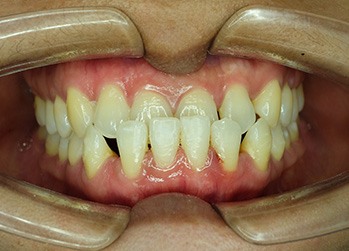
If you or your child over-indulges in non-nutritive habits, like thumb or pacifier-sucking, or if you’ve sustained an injury to their jaw or mouth, you might develop an underbite. This condition occurs when the bottom teeth protrude farther than the top ones when the mouth is closed. Leaving it untreated might contribute to sleep apnea and difficulty breathing, speaking, or chewing.
Thankfully, Invisalign can often be used to address this condition with the help of clear attachments and bands.
Crossbite
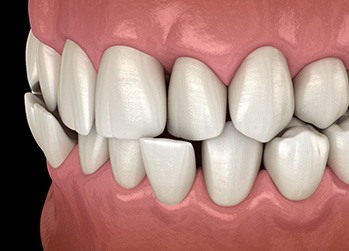
Do your top teeth fall behind the lower ones in certain places but in front of them in others? If so, you may have a crossbite. Whether it’s due to genetics, premature loss of baby teeth, or poor oral habits, it can detract from your dental health and appearance.
Improving your bite alignment allows you to bite and chew food more easily, as well as prevents jaw pain, speech impediments, and lowered self-esteem.
Open Bite
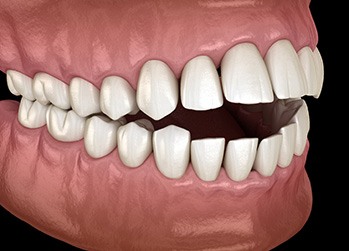
If your upper and lower teeth don’t touch in areas when you chomp down, then you could have an open bite. This often happens because of poor bone development or thumb-sucking habits, and can hinder your ability to enunciate certain words and sounds. It also increases your vulnerability to chips, cracks, and other types of damage to the back of your enamel.
Invisalign helps bring the arches together correctly to improve your abilities and boost your confidence in your appearance.
Benefits of Invisalign
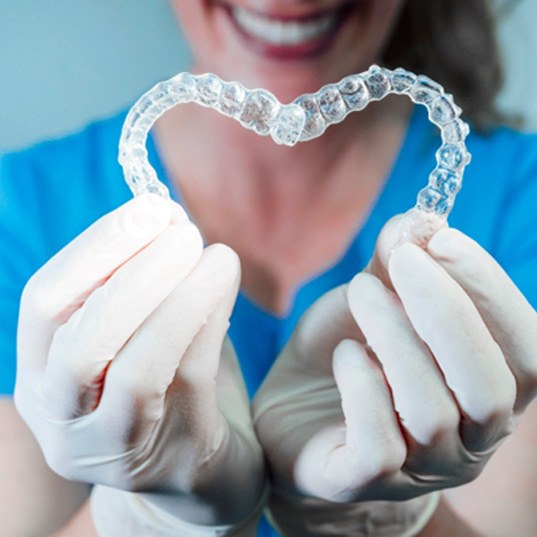
Over the last two decades, Invisalign has helped millions of patients achieve their smile goals (more than 12 million, to be more exact). It’s an incredibly popular treatment thanks to the following benefits:
Shorter Average Treatment Timeline

No one wants to wait longer than they have to for their dream smile. The good news is that the average treatment timeline with Invisalign is significantly shorter than traditional braces (between 12-18 months). While the exact length of your teeth-straightening journey will depend on factors like the complexity of your case, the key to staying on-track for each patient is the same: follow the guidelines we provide, like making an active effort to wear your trays for 20-22 hours a day.
Discreet Appearance

Since traditional braces use noticeable brackets and wires to address orthodontic problems like overcrowding and crossbites, it’s common for patients to develop a habit of covering their mouth when they laugh or keeping their lips closed when they smile. With Invisalign, you won’t feel self-conscious about your braces because they are completely see-through! As a result, the people around you – including those in your inner circle – will have a hard time telling when you’re wearing them.
No Dietary Restrictions

For many patients, the hardest part about having traditional braces is adjusting their diet. If this is a concern for you as well, then you’ll be happy to hear that there aren’t any dietary restrictions with Invisalign because the trays are removable! The only thing that you need to do is take them out first. Of course, we always recommend doing your best to not overindulge on foods and drinks with added sugar too since they can negatively impact the health of your smile.
Fewer Check-In Appointments

In short, patients with traditional braces need to commit to coming in every four weeks. Patients with Invisalign, on the other hand, usually need to come in every six to eight weeks. This is a huge perk for those with busy and demanding schedules, especially since the appointments are usually only 15 minutes or so if everything looks good and your teeth are tracking as anticipated.
Better Dental Hygiene

If you already have a hard time mustering up the motivation to brush and floss your teeth, then you probably aren’t thrilled about the idea of using interproximal toothbrushes, pre-threaded floss, and other special dental care products. The good news is that Invisalign makes completing your oral hygiene regimen a breeze – all you have to do is take your aligners out first!
Improved Comfort

Although effective, reliable, and versatile, traditional braces aren’t the most comfortable. Instead of using metal brackets and wires to guide your teeth into proper alignment, Invisalign takes a different approach: clear, low-profile, and custom-made aligners. That means that you won’t have to worry about soft tissue irritation, mouth sores, and the like!
Living with Invisalign Aligners
Living with Invisalign is much easier than many patients expect. Because the trays are clear, smooth, and removable, you can improve your smile without disrupting your daily routine. Whether you’re heading to school, work, or weekend getaways, Invisalign can fit comfortably into every part of your lifestyle. Under the guidance of Dr. Nicole at our Naperville office, patients enjoy a modern, flexible orthodontic treatment that keeps life simple while delivering amazing results.
Wearing Your Trays

Invisalign works best when the aligners are worn 20–22 hours per day. Fortunately, the trays are comfortable and barely noticeable, so most patients forget they’re even wearing them.
They can be taken out for meals, brushing, or special events, but otherwise they should stay in place to keep your treatment on track. Dr. Nicole will provide you with a clear timeline, making it easy for you to stay consistent and confident throughout your treatment.
Cleaning Your Aligners
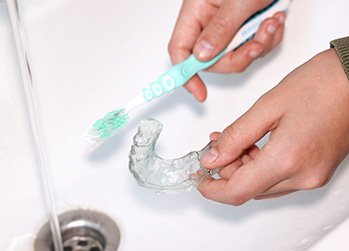
Keeping Invisalign aligners clean is simple. Simply rinse your trays with cool (never hot) water when you remove them and gently brush them with a soft toothbrush during your regular oral hygiene routine.
Clear, unscented soap works great for removing buildup without clouding the trays. However, you should avoid using toothpaste, which can cause scratches. Regular cleaning keeps your aligners fresh and clear, ensuring you can continue to smile with confidence.
Eating & Drinking

One of the biggest advantages of Invisalign is the freedom to enjoy all your favorite foods. Because the trays are removed before eating, there are no food restrictions. This is a huge win for anyone who doesn’t want to miss out on chowing down.
The only rule is to avoid eating or drinking anything other than water while your trays are in place. Sodas, coffee, and other snacks can stain or warp the plastic, leaving them ineffective or uncomfortable.
Losing or Damaging a Tray

Life happens, and aligners will occasionally get misplaced or damaged. If you lose sight of your aligner or accidentally break it—don’t panic. Just reach out to our Naperville office, and Dr. Nicole will advise whether to move to the next tray or order a replacement.
In the meantime, she may advise you to wear your previous aligner, which can help keep your progress from slipping away. With Invisalign, even unexpected bumps in the road are easy to handle, ensuring your treatment stays stress-free.
Routine Check-Ins

Routine Invisalign check-ins are quick and convenient. Most visits take only a few minutes and focus on monitoring progress, answering questions, and providing your next set of aligners.
Dr. Nicole uses these appointments to ensure your teeth are moving as they should or to make any necessary adjustments to your treatment plan. Because visits are spaced out and hassle-free, Invisalign works wonderfully for busy families juggling school, sports, and everything in between.
Understanding the Cost of Invisalign
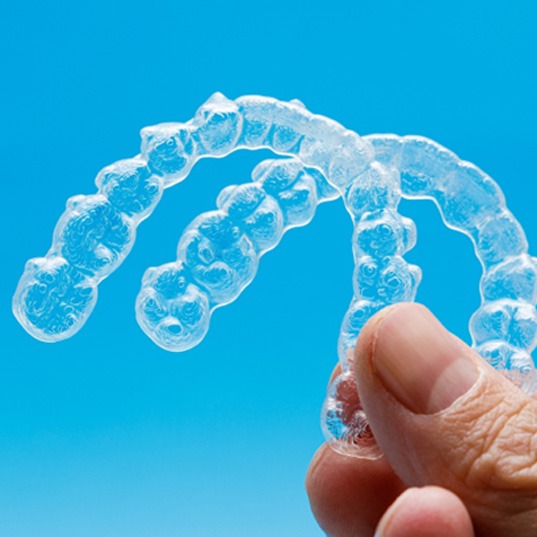
Are you having a hard time pinpointing the cost of Invisalign online? There’s a simple reason for this: because every case is unique, there isn’t a one-size-fits-all answer. In fact, even general price ranges can be misleading! With all of that said, you don’t have to worry – we will provide you with an estimate of the cost of Invisalign in Naperville during your consultation. In the meantime, you can read on to learn more on the topic.
Factors That Affect the Cost of Invisalign
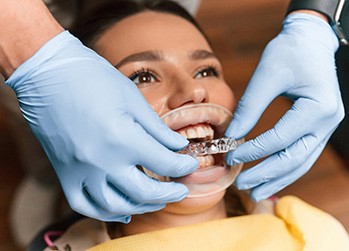
As we mentioned above, we won’t be able to provide you with a price estimate until you come to our office for a consultation. From there, we can determine:
- If any preliminary treatments are needed
- If single-arch treatment is possible
- How many aligners must be made
- If additional orthodontic accessories are needed, like buttons
Once we have all of this information, we can create your custom treatment plan and provide you with an estimate of the cost. Then, we can discuss the financial solutions that are available and share what you can do to avoid additional fees, like always storing your aligners in their designated case when you aren’t wearing them.
Does Invisalign Cost More Than Mail-In Aligners?
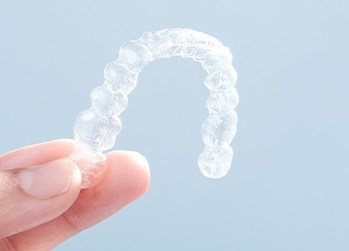
In most cases, mail-in aligners are cheaper. At least initially. There are several reasons for this, including that they skip the initial exam, rely on DIY impressions, and don’t have licensed dental professionals overseeing the teeth-straightening process. As you can imagine, there is a significant risk of worsened misalignment and dental damage, which is why many patients end up spending more in the long run.
Does Dental Insurance Cover Invisalign?

If you are insured, you might be wondering if your provider will cover a portion of the cost of Invisalign. It’s certainly possible! So, don’t hesitate to provide us with your membership information when you call to schedule your appointment. Since we are in-network with many PPO dental insurance plans, we can make the process of understanding and utilizing your benefits smooth and seamless.
Options for Making Invisalign Affordable
If you don’t have dental insurance, we have good news: that’s just one way to save at our Naperville office! We also have an in-house discount plan, we offer periodic specials, and we work with trusted third-party financiers, like CareCredit. During your consultation, we will discuss each one in-depth and answer any questions you have so you can confidently decide which one is best for you and your wallet.
Invisalign FAQs

Our team understands that you might have a few questions about Invisalign that you’d like answered before you feel comfortable committing to the treatment—and we’re more than happy to help! We’ve gathered a few of the most frequently asked questions that we receive about Invisalign, along with their respective answers, so that you can get the information you need to confidently embark on your orthodontic journey. If you have any other questions about Invisalign that aren’t listed below, or if you’d like to schedule a consultation to see how the aligners can benefit your pearly whites, don’t hesitate to contact us today!
Does Invisalign Hurt?
The short answer here is no, Invisalign is not painful! In fact, the smooth plastic used to construct the aligners is very comfortable to wear, especially considering the aligners are also customized to fit specifically inside your mouth. When you first get Invisalign, there is an adjustment period that’s sometimes accompanied by soreness as you become accustomed to wearing the aligners, and you might also feel some discomfort as you advance to subsequent sets of trays. But in any case, this pain is quite minor and can usually be managed with over-the-counter pain relievers, cold compresses, or even drinking ice-cold water.
How Long Does Invisalign Take?
There are several factors that influence the Invisalign timeline, including things like the severity of your misalignment, along with your commitment to your treatment plan. Generally speaking, it takes most patients anywhere from 12 to 18 months to complete their treatment, though this can greatly vary. That said, on average the process is still roughly 4 months shorter than the traditional braces route. Regular dental checkups during this process, combined with your willingness to wear your trays as instructed (about 22 hours a day) will ensure you complete your treatment on time and with the intended results.
Can You Eat with Invisalign?
Perhaps one of the biggest advantages of Invisalign is that since the aligners are totally removable, you don’t have to adhere to the same dietary restrictions that patients with braces must endure. However, you must remove your aligners before eating anything, as the aligners aren’t designed to withstand the forces of biting and chewing. Failure to do so can result in damaged aligners that ultimately set back your treatment! The only thing you should consume while wearing your Invisalign is water; in all other cases, remove your aligners before eating or drinking (and store them in their carrying case).
Does Invisalign Give You a Lisp?
With any type of addition to your mouth, there’s going to be an initial adjustment period when it comes to your speech. This is because your mouth relies on your tongue, lips, and teeth all working in unison to enunciate certain sounds. In some cases, patients can develop a minor lisp from wearing their Invisalign aligners since they slightly alter the space within the mouth; however, many patients aren’t affected by this issue. If a lisp does occur, it usually doesn’t last for more than a few weeks as patients adjust to wearing their trays. In any case, the easiest way to prevent a lisp from developing or progressing is to practice speaking normally while wearing your trays!